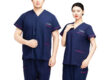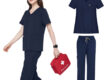



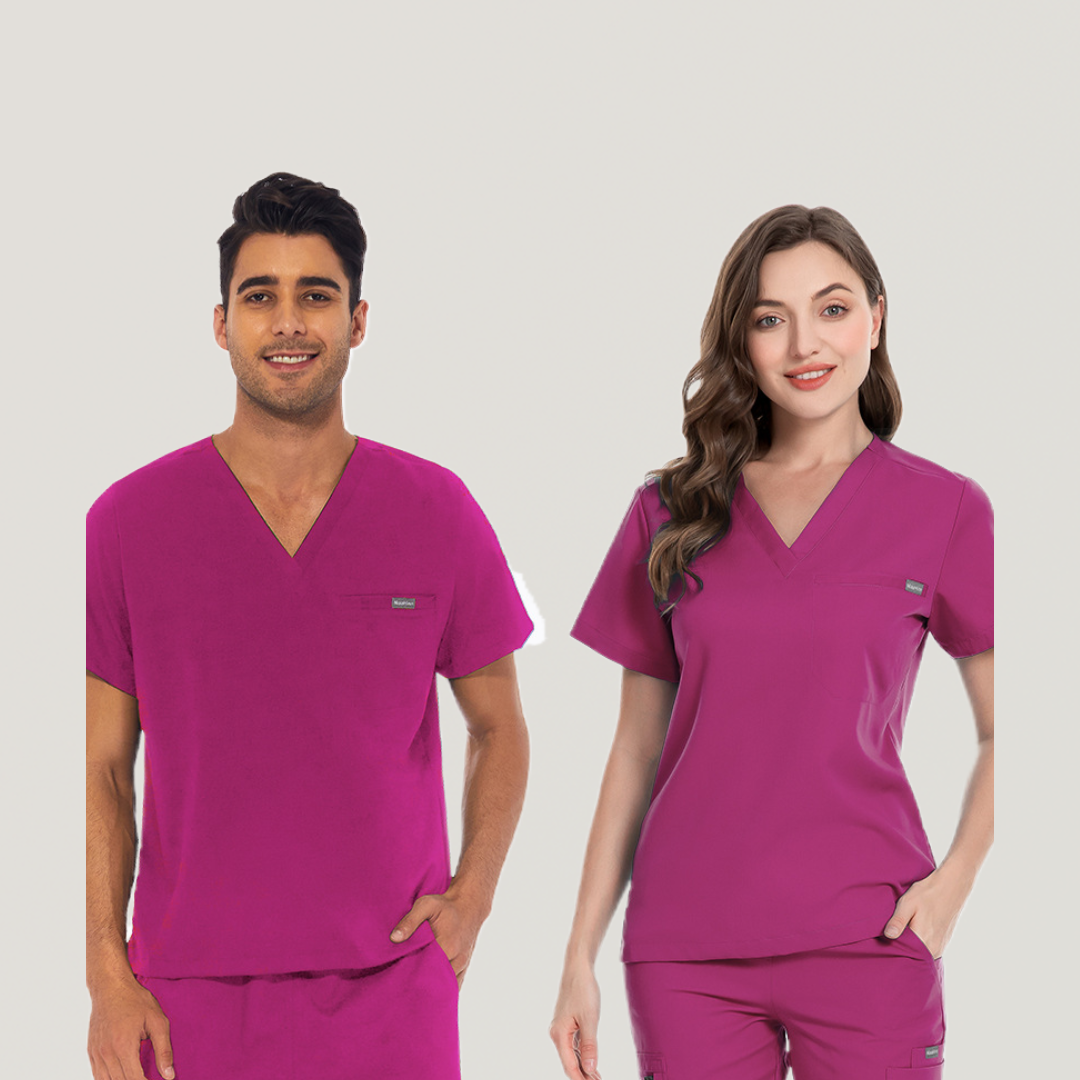
The days when scrubs were boxy and purely functional are long gone.
Today’s healthcare professionals seek uniforms that reflect personal style without compromising hygiene or compliance.
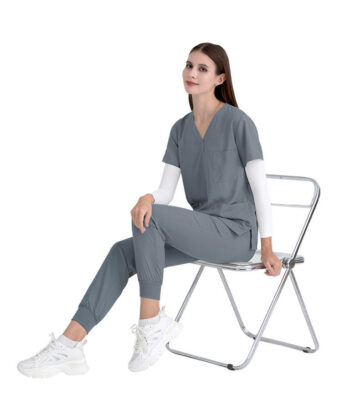
One design leading this evolution is the jogger-style scrub pant — a blend of activewear comfort and clinical performance.
For B2B buyers, understanding how to implement jogger designs that meet infection control, fabric standards, and durability requirements is essential before scaling production.
👖 1. Why Jogger Scrubs Are So Popular
The popularity of jogger-style scrubs stems from the global shift toward athleisure-inspired workwear.
Key benefits include:
-
A sleek, tapered leg that looks modern and professional
-
Elastic cuffs that prevent dragging and contamination
-
Enhanced mobility from 4-way stretch fabrics
-
Cross-gender appeal for both male and female staff
For hospitals and retail brands, jogger styles present a win-win — aesthetic appeal for wearers and branding potential for institutions.
🧵 2. The Compliance Factor: Function Over Fashion
While jogger scrubs look stylish, compliance remains non-negotiable.
Many hospitals enforce policies regarding ankle exposure, infection control, and fabric sanitation.
Buyers should confirm that jogger cuffs:
-
Are made from non-absorbent knit materials that dry quickly
-
Sit above the shoe line to minimize contamination risk
-
Retain elasticity after 50+ industrial washes
Top Scrub Pants Manufacturers already integrate compliance-based design rules to ensure that style never overrides medical practicality.
⚙️ 3. Fabric and Construction Considerations
To ensure both comfort and durability, jogger scrubs typically use polyester-spandex blends (90/10 or 88/12).
These fabrics offer excellent stretch recovery, abrasion resistance, and breathability.
Recommended technical details include:
-
GSM 160–180 for optimal weight balance
-
Double-stitched seams at knee and hip for reinforcement
-
Core-spun polyester threads resistant to bleach
-
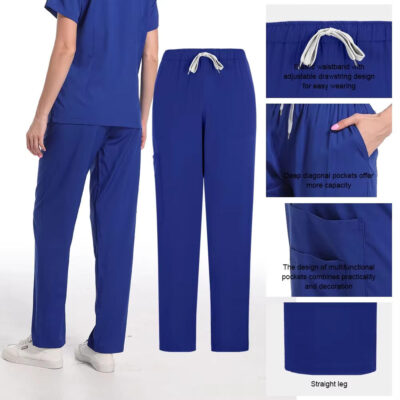
Elastic waistband + adjustable drawcord for versatile fit
A good supplier should guarantee consistency between tops and pants for color and fabric hand feel — critical for brand image and staff satisfaction.
👟 4. Mobility Engineering: How Design Enhances Movement
Jogger-style scrub pants must accommodate long shifts, bending, and walking, just like performance activewear.
Key ergonomic features include:
-
Curved side panels for smoother hip rotation
-
Articulated knees to reduce fabric pull during crouching
-
Gusseted crotch seams for extended range of motion
-
Contoured back rise for sitting comfort
Designers who understand these technical principles can deliver scrubs that outperform standard unisex models.
💼 5. Brand Customization and Market Positioning
Jogger scrubs are perfect for branding opportunities — especially in retail and private-label healthcare programs.
Buyers can request:
-
Custom embroidered logos or heat transfers
-
Contrasting drawcord or cuff colors
-
Matte or gloss finishes for visual differentiation
Modern hospitals also use jogger scrubs to create department-based color coding, helping staff recognition while maintaining a cohesive professional look.
Leading Scrubs Manufacturers offer OEM customization options for buyers targeting both institutional and boutique markets.
🧼 6. Durability and Laundry Testing
Because jogger cuffs and stretch materials are subject to extra wear, durability testing is vital.
Buyers should request the following lab reports:
-
AATCC 150: dimensional stability after laundering
-
ASTM D4966: abrasion resistance
-
AATCC 135: shrinkage test
-
AATCC 61: colorfastness to bleach
These metrics confirm that the elastic cuffs, waistband, and seams can withstand high-temperature hospital laundering — typically up to 80–90°C.
🧩 7. Balancing Trend and Institutional Needs
Hospitals want stylish uniforms that also signal trust.
To achieve that balance:
-
Use matte finishes over shiny activewear looks.
-
Keep silhouettes slim but non-restrictive.
-
Ensure cuff circumference fits easily over medical shoes.
-
Prioritize solid neutral colors such as navy, ceil blue, or graphite.
B2B buyers who manage multiple hospital clients can offer jogger scrubs as an optional style within standardized color codes, maintaining brand harmony.
Conclusion
Jogger-style scrub pants embody the evolution of healthcare apparel — merging performance, professionalism, and design innovation.
For large-scale procurement, compliance and durability must lead every design decision.
By partnering with reliable scrub pants manufacturers and established Scrubs Manufacturers, buyers can launch jogger scrub programs that align fashion with function — delivering comfort and credibility in every step of clinical care.