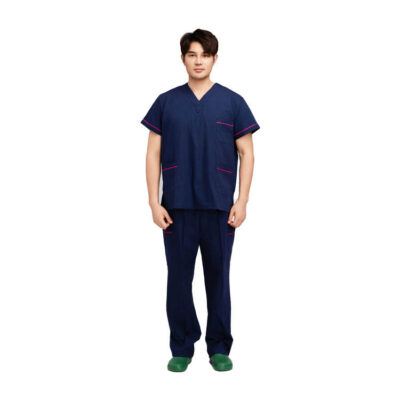



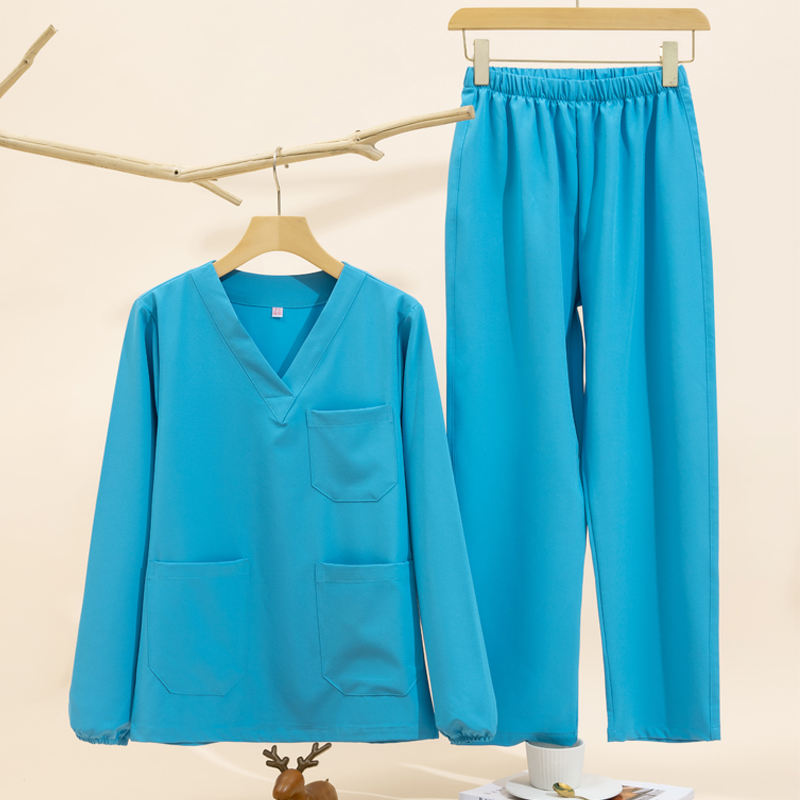
Modern healthcare uniforms are expected to combine performance with inclusivity.
Female medical staff represent a majority of global healthcare workers, yet traditional unisex patterns rarely accommodate diverse body shapes.
To achieve comfort, mobility, and professional aesthetics, uniform brands must develop dedicated women’s fit blocks — petite, maternity, and plus — rather than relying on scaled-down men’s patterns.
👗 1. Why Women’s Fit Blocks Matter
Unisex scrubs are convenient for procurement but compromise fit and comfort.
Women’s garments require more thoughtful proportional grading, particularly around the bust, hip, and waist areas.
A proper female fit block ensures:
-
Smooth body contour without strain or pulling
-
Functional mobility during bending and stretching
-
Professional silhouette aligned with brand image
Working with experienced Women’s Scrubs Manufacturers helps B2B buyers create uniform programs that meet ergonomic and aesthetic standards for every body type.
📏 2. Key Dimensions That Define Women’s Fit
Developing women’s scrubs involves more than reducing chest or waist size. Critical pattern adjustments include:
-
Bust apex height and dart positioning
-
Waist shaping relative to hip width
-
Front and back rise in pants for curvature comfort
-
Armhole shape to prevent gaping or restriction
-
Shoulder slope and yoke contour
Each adjustment must maintain functional balance with healthcare movement — reaching, stretching, and sitting for long hours.
🤰 3. Designing for Maternity Comfort
Maternity scrubs require a completely separate pattern block.
Essential design features include:
-
Expandable belly panels using soft stretch knit fabrics
-
Adjustable drawstring or elastic waistbands
-
Extra front length for bump coverage
-
Flat seams to avoid abdominal pressure
-
Moisture-wicking, breathable fabrics for temperature regulation
These uniforms must grow with the wearer without distortion. Manufacturers that specialize in healthcare apparel can integrate these technical adjustments while preserving consistent color and branding with the standard line.
👖 4. Grading for Plus Sizes
Plus-size scrubs deserve the same design precision as regular sizes.
However, simple “upsizing” leads to poor proportions — excessive length or sleeve width.
Proper plus grading should:
-
Increase girth in proportion, not length
-
Reinforce seams for higher tension zones
-
Maintain arm mobility and waist definition
-
Use heavier-gauge stitching to support fabric load
The goal is comfort with structure, not oversized draping.
Professional Scrubs Manufacturers use digital grading software to maintain consistent fit across all size ranges, ensuring that style, pocket alignment, and mobility remain identical.
🧵 5. Material Selection for Women’s Scrubs
Fit isn’t only about pattern; it’s also about fabric performance.
For women’s uniforms, the ideal material should offer:
-
4-way stretch for mobility
-
Soft hand-feel against sensitive skin
-
Opacity and color fastness under industrial washing
-
Anti-cling properties for layered wear
Blended polyester-cotton or poly-spandex twill fabrics perform best, combining structure with comfort.
🧶 6. Pattern Testing and Fit Validation
Before full-scale production, conduct fit trials across representative body types — petite, standard, maternity, and plus.
Checklist for buyers:
-
Test movement in kneeling, bending, and reaching positions.
-
Observe pocket and seam behavior under load.
-
Evaluate recovery after 10 minutes of motion simulation.
-
Confirm aesthetic alignment between size ranges.
Collect feedback directly from end-users, not just design teams.
Iterating from this stage ensures both comfort and brand uniformity across departments.
📋 7. Procurement Best Practices for Women’s Programs
-
Specify separate fit blocks for each size category in the tech pack.
-
Define fit tolerances (e.g., ±0.5 cm at chest/hip).
-
Include grading charts and sample measurements for quality control.
-
Standardize fabric stretch and shrinkage rates across vendors.
Buyers who integrate these details early in procurement cycles minimize rework and improve first-fit approval rates.
Conclusion
True inclusivity in medical apparel begins with technical precision.
Developing separate fit blocks for petite, maternity, and plus-size women ensures confidence, comfort, and performance during every shift.
Partnering with specialized women’s scrubs manufacturers and trusted Scrubs Manufacturers allows healthcare brands to deliver professional, well-fitted uniforms that empower female clinicians while maintaining consistent quality and style across the entire range.